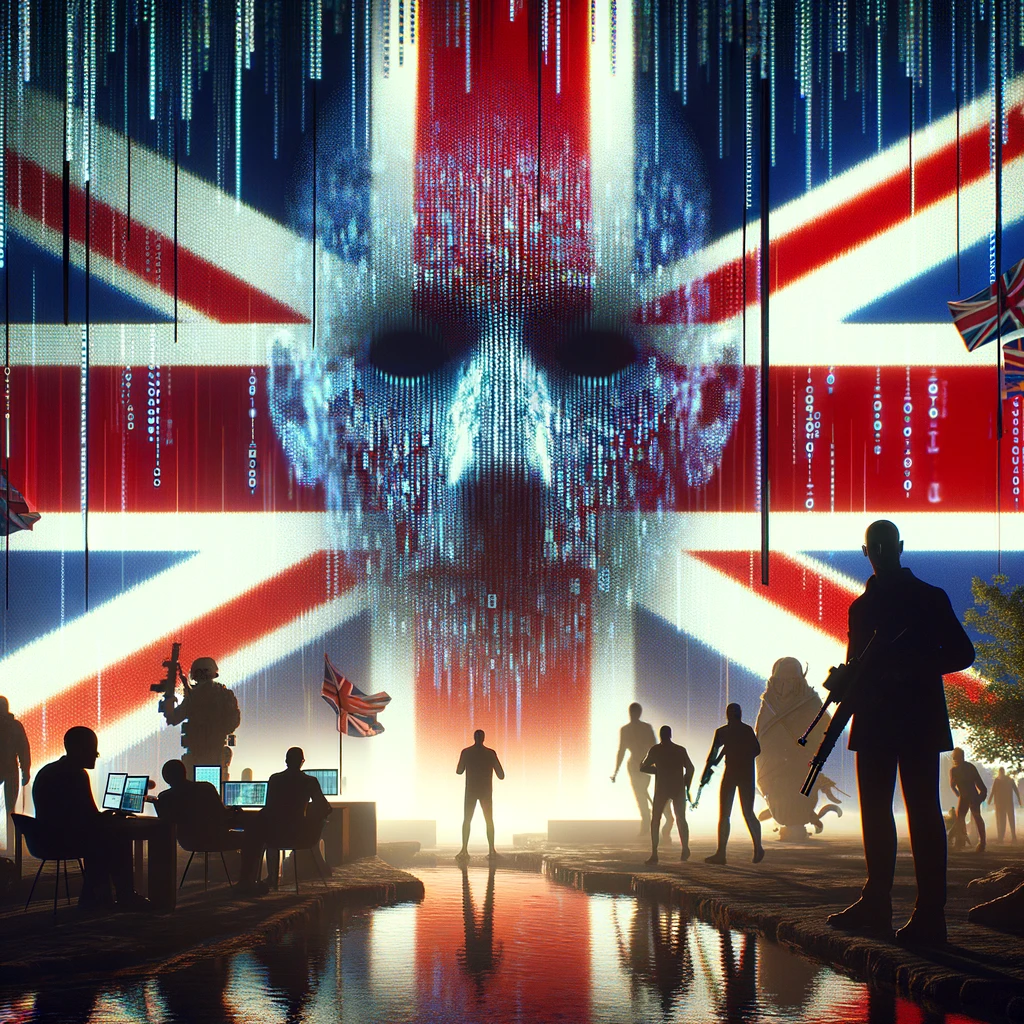
James Cleverly, the UK’s Home Secretary, raises an alarm over the threat of AI-generated deepfakes disrupting elections, emphasising the urgent need for collaboration with tech giants like Google, Meta, Apple, and YouTube to fortify democratic processes. As the world braces for major elections in 2024, the tech industry has responded with a pact among leading companies, including Adobe and Microsoft, to combat the misuse of AI in undermining elections.
The Dawn of Digital Deception
Welcome to 2024, a year earmarked by significant global elections, where 2 billion voices across the UK, US, India, and 60 other countries are set to make their democratic choices heard. But there’s a catch - the very fabric of this democratic process is under threat from an invisible enemy: AI-generated deepfakes.
James Cleverly, the UK’s Home Secretary, isn’t just raising a red flag; he’s sounding a siren against the potential havoc that deepfakes could wreak on the electoral process. These aren’t your run-of-the-mill Photoshop jobs but highly sophisticated manipulations so realistic they can sway public opinion, incite chaos, and even tilt the scales of democracy.
The Silicon Valley Summit
Cleverly’s pre-emptive strike involves rallying the tech titans at Google, Meta, Apple, and YouTube for a summit on protecting democracy’s digital frontiers. Deepfakes have already made headlines, mimicking voices of prominent figures like Keir Starmer and Sadiq Khan, and even fabricating BBC News videos.
A United Front
The response from the tech world? A groundbreaking pact signed by giants like Adobe, Amazon, Google, IBM, Meta, Microsoft, OpenAI, and TikTok at the Munich Security Conference. This accord is more than just a handshake; it’s a commitment to armoring up against the misuse of AI in elections. Elon Musk’s X and a dozen other companies have also joined the fray.
Nick Clegg of Meta puts it succinctly: tackling the menace of AI and deepfakes is a battle no single entity can win alone. It’s a war that demands a coalition, pooling resources and intellect from across the globe.
The Digital Battlefield
As we navigate this digital battlefield, the real question isn’t whether deepfakes will be deployed in future elections but how resilient our defenses are.
Engage and Protect
So, what can we do? Awareness is the first step. Recognising the threat is crucial, but so is demanding transparency and accountability from both tech companies and governments.
Conclusion: A Call to Digital Arms
As we stand on the brink of a new era in democracy, the threat posed by AI deepfakes is both real and imminent. The collective action of tech giants, the vigilance of governments, and the awareness of the public are the tripartite pillars upon which the defense of our democratic processes must be built.